
The Impact of Non-Operational Status on UK Horse Racing

The Impact of Non-Operational Status on UK Horse Racing
The world of UK horse racing is renowned for its vibrant atmosphere and electric energy, attracting spectators and bettors alike from across the globe. However, there are times when this beloved sport finds itself in a state of non-operation, leading to various implications for fans and stakeholders. During these periods, traditional venue racing may halt due to extreme weather conditions, regulatory issues, or unforeseen circumstances, creating a ripple effect throughout the industry. For many, this raises questions about the alt realities of UK horse racing not on GamStop UK horse racing non GamStop bookies and the importance of maintaining engagement during downtime.
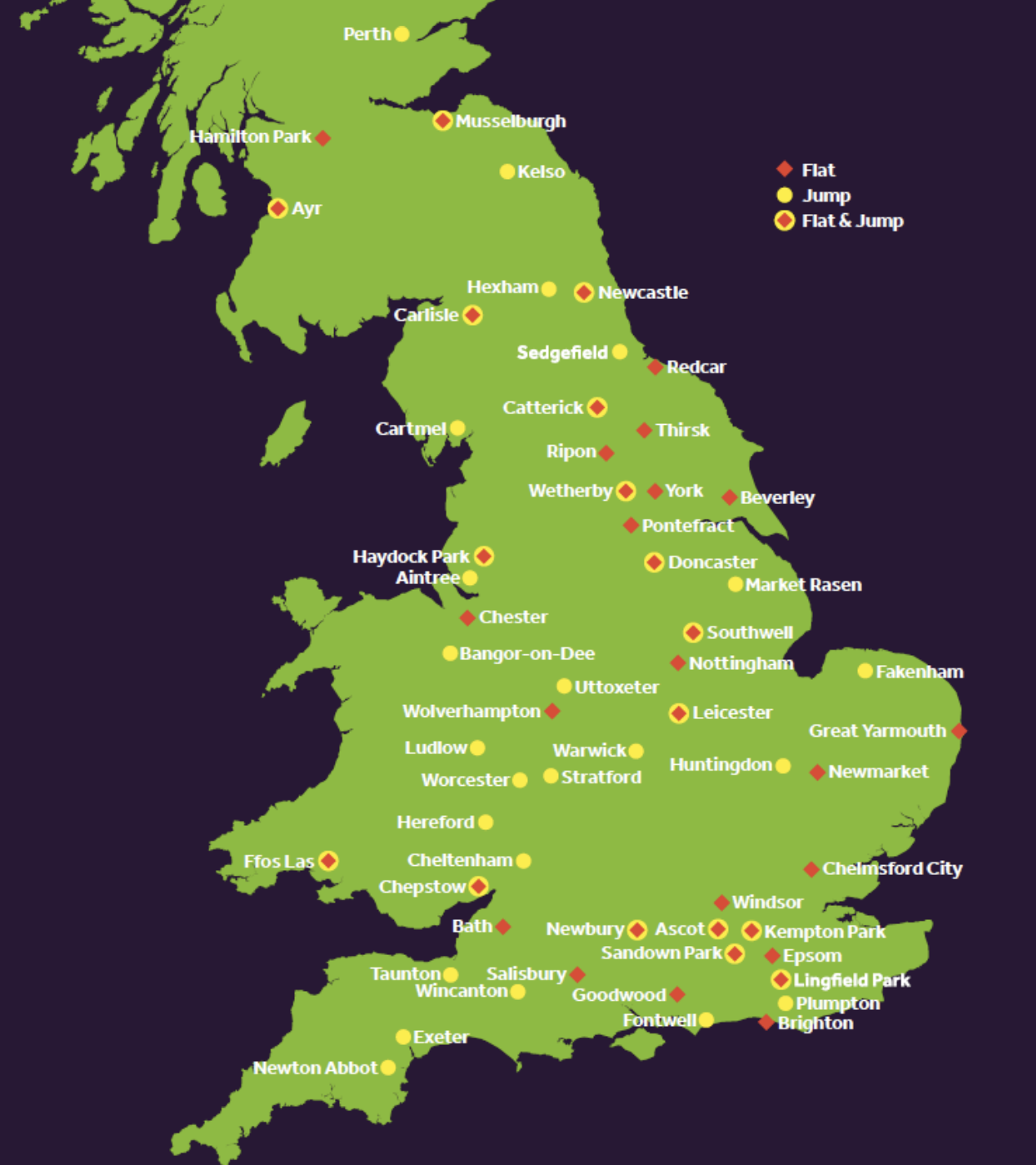
Understanding Non-Operational Periods in Horse Racing
Non-operational periods can arise for several reasons. Weather regularly plays a crucial role—extreme cold, rain, or heat can compromise the safety of both horses and jockeys, leading to cancellations. Additionally, regulatory bodies may temporarily suspend races if compliance issues are detected, or if a serious incident occurs, calling for a reassessment of safety protocols. The repercussions of these cancellations are felt not just by organizing bodies but also by fans and bettors who eagerly anticipate the thrill of live racing.
The Effect on Bettors and Fans
When races are not operational, bettors face a dilemma. Many may have made preparations to wager on anticipated races, opting to place bets with traditional bookies or online platforms. For those who rely on the thrill of betting on live events, the downtime can lead to feelings of frustration and disappointment. This is where alternative betting options become relevant. Non-GamStop bookies offer platforms that remain functional while traditional racing may be suspended. These bookies often cater to punters looking for engagement, providing a variety of betting markets and events from other sports to maintain interest.
The Economic Impact
Each cancellation affects the overall economic tapestry of horse racing. Ticket sales plummet, and associated revenue streams—such as hospitality, merchandise, and concessions—suffer significantly. Smaller tracks are especially vulnerable; they depend heavily on race days for financial stability. When events are not operational, they may also experience a decline in sponsorship and investment opportunities, which can have lasting consequences beyond the immediate period of inactivity.
Maintaining Engagement During Downtime
The challenge for racecourses and betting companies during non-operational periods is to maintain engagement with their audience. Social media campaigns, virtual racing events, and promotions through non-GamStop bookies can keep fans interested even while live racing is not taking place. Digital platforms offer a vital bridge, allowing horse racing enthusiasts to engage with their passion through different means. Expert insights, historical race footage, and interactive content can keep the community alive during these slow periods.
Exploring Alternative Options
As traditional racing halts, bettors often seek alternative options to quench their betting thirst. Within the realm of horse racing, virtual racing has come to the forefront. This technology uses algorithms to simulate races based on real-life horse data. Although different from live events, it offers bettors the excitement of wagering without the need for physical races. Many bettors have embraced this innovation, hoping to replicate their racing experiences even when the sport is not operational.

The Future of UK Horse Racing
Looking to the future, it is essential for UK horse racing officials and stakeholders to understand the implications of non-operational periods. Strategic planning could lead to improved crisis management, ensuring that alternatives and contingency plans are in place for unexpected cancellations. Regular engagement with bettors and fans during these times is crucial for sustaining interest and loyalty to the sport.
Community Impact and Support
Lastly, the community aspect of horse racing cannot be overlooked. Many enthusiasts enjoy not only the betting but also the social experience of attending events. Non-operational periods can isolate fans, making it essential for racing communities to foster connections outside of the racetrack. Engaging in forums, virtual meetups, and community events can help ensure that the bonds formed around horse racing remain strong, regardless of operational status.
Conclusion
The implications of non-operational periods in UK horse racing extend far beyond the tracks. They affect bettors, fans, and the overall economy of the sport. Understanding these dimensions is vital for stakeholders aiming to navigate through such challenges. As technology advances and betting habits evolve, the landscape of horse racing will continue to adapt, ensuring that even during lean times, engagement and excitement in the sport can prevail.