
Development Projects in the Pacific Opportunities and Challenges 689591796
Development Projects in the Pacific: Opportunities and Challenges
The Pacific region is home to a wealth of natural resources, rich cultural diversity, and unique ecosystems. However, it also faces numerous challenges, including climate change, economic instability, and social inequality. Development projects in this region aim to address these issues, utilizing innovative approaches and collaborative efforts. Notably, various organizations are at the forefront of these initiatives, including development projects pacific pacific ngo projects that strive to improve lives and promote sustainable growth.
The Landscape of Development Projects in the Pacific
Development projects in the Pacific are multifaceted, encompassing a broad range of sectors including education, healthcare, infrastructure, and environmental protection. Each project is tailored to the needs of the specific communities they serve, ensuring relevance and effectiveness. For instance, initiatives in education focus on improving access to quality schooling for children in remote areas, while health projects may address the high prevalence of non-communicable diseases through public health campaigns and better healthcare facilities.

Key Sectors of Focus
1. Education
Education is a priority in the Pacific development agenda, as it is critical for economic development and social welfare. Projects aimed at enhancing educational outcomes typically focus on teacher training, building school infrastructure, and providing resources for students. Programs that involve community engagement have proven particularly effective, as they foster a sense of ownership and commitment among local populations.
2. Healthcare
The healthcare challenges in the Pacific are significant, with many islands facing shortages of medical personnel and supplies. Development projects in this sector often focus on building local capacity and improving health infrastructure. For example, initiatives may include training local health workers, establishing telemedicine services, and enhancing maternal and child health services to reduce mortality rates.
3. Environmental Sustainability
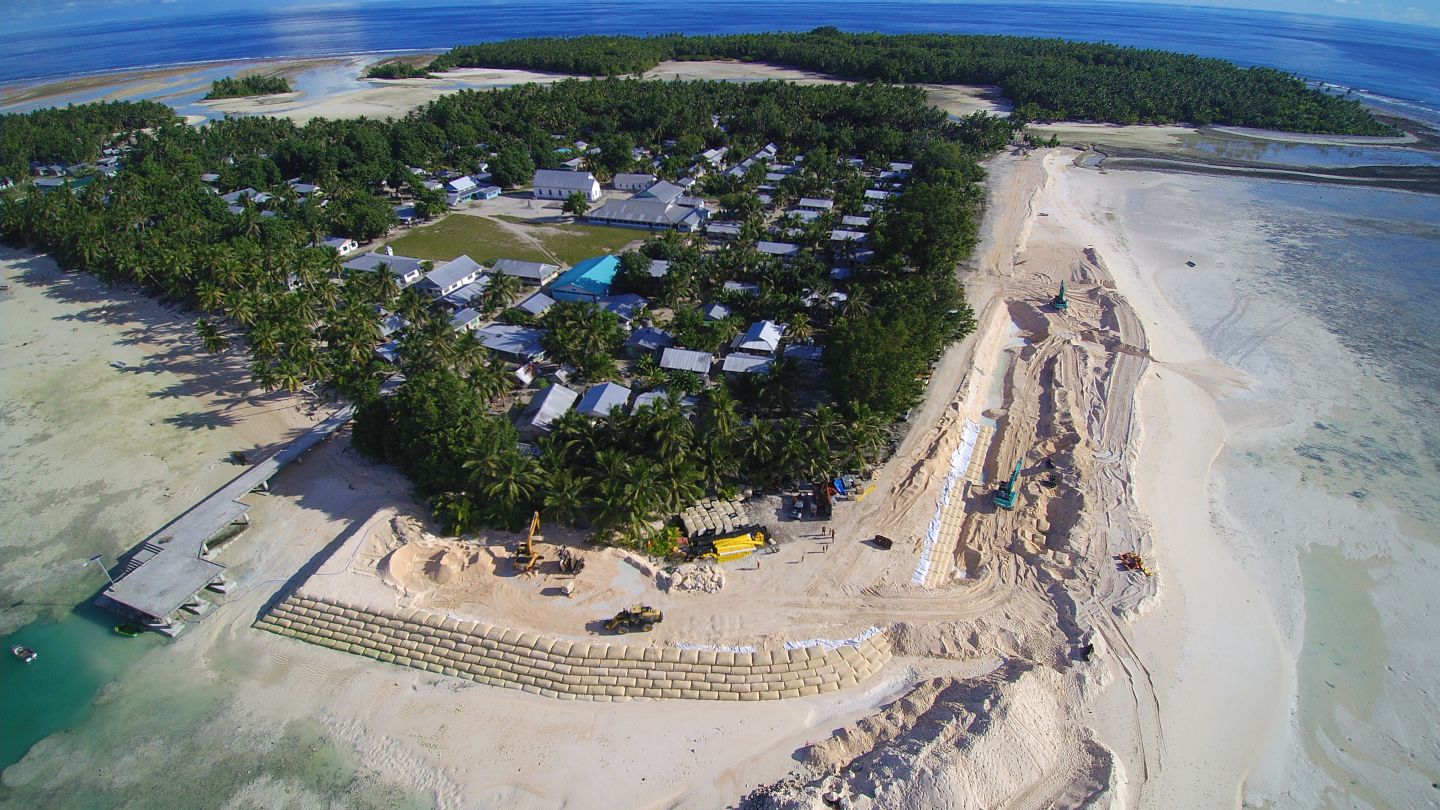
Environmental sustainability is a pressing concern, especially in the context of climate change which disproportionately affects Pacific islands. Development projects that address these issues include reforestation efforts, sustainable fisheries initiatives, and renewable energy projects. By promoting sustainable practices, these projects not only protect the environment but also enhance community resilience against climate impacts.
4. Economic Development
Economic development projects often aim to increase local employment opportunities and promote entrepreneurship. This includes skills training programs, support for small and medium enterprises (SMEs), and initiatives to boost tourism sustainably. By focusing on local economic empowerment, these projects strive to create robust economies that can support future generations.
The Role of NGOs and Nonprofits
Non-governmental organizations (NGOs) play a pivotal role in the implementation of development projects across the Pacific. They often act as intermediaries, connecting local communities with resources and expertise. Many NGOs prioritize community engagement and participatory approaches, ensuring that projects are aligned with the needs and aspirations of the populations they serve. Their focus on sustainability helps ensure that the benefits of development projects are long-lasting and impactful.
Challenges Faced by Development Projects
Despite the positive impacts of development initiatives, there are numerous challenges that must be faced. These include funding constraints, logistical difficulties, and political instability. Additionally, the diverse needs and cultural contexts of Pacific communities can complicate the implementation of standardized projects. Development organizations must be adaptable and responsive, tailoring their approaches to fit the unique characteristics of each community.
The Importance of Collaboration
Collaboration among stakeholders is essential for the success of development projects in the Pacific. This includes partnerships between NGOs, government agencies, private sector actors, and local communities. By leveraging different strengths and resources, these collaborations can create comprehensive strategies that address the multifaceted challenges faced by the region. Joint initiatives can also foster a sense of shared purpose and community support, leading to more effective outcomes.
Looking to the Future
As the Pacific continues to navigate a rapidly changing global landscape, development projects must evolve to remain relevant and effective. Embracing innovation, such as leveraging technology and promoting sustainable practices, will be critical in addressing emerging challenges. Furthermore, as climate change threatens the very existence of some Pacific communities, development efforts must prioritize resilience and adaptability.
Conclusion
Development projects in the Pacific represent a vital avenue for promoting prosperity, sustainability, and social equity. Through dedicated efforts, collaboration, and a focus on local needs, these initiatives can foster meaningful change for communities throughout the region. By investing in education, healthcare, environmental sustainability, and economic empowerment, the Pacific can work towards a brighter, more resilient future.
Get Involved
For those looking to contribute to development projects in the Pacific, there are various ways to get involved. Supporting NGOs, volunteering, and increasing awareness of Pacific issues can all make a difference. Every effort counts, and together we can contribute to the sustainable development of this beautiful and diverse region.