
Understanding the psychological triggers behind gambling behavior
Understanding the psychological triggers behind gambling behavior
The Allure of Risk and Reward
One of the most compelling psychological triggers behind gambling behavior is the allure of risk and reward. The concept of winning, particularly large sums of money, can provoke feelings of excitement and euphoria, stimulating the brain’s reward centers. This dopamine rush can create a cycle where the player constantly seeks that high, often leading to repeated gambling attempts. This reward anticipation can override logical thinking and responsible behavior, making it challenging for individuals to stop, even when losses accumulate. For online gaming enthusiasts, exploring wildrobin-canada.com can be a thrilling experience for many.
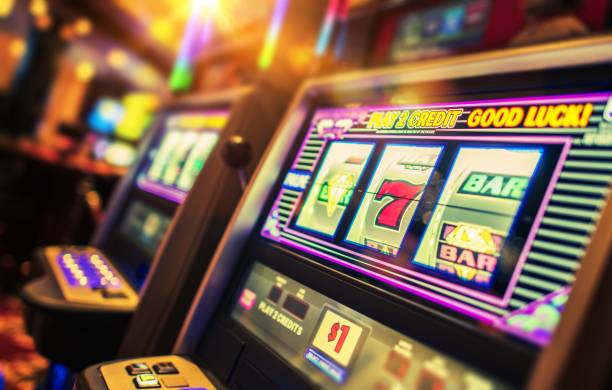
The anticipation of winning can be heightened by various factors such as promotional offers and jackpots. Casinos often employ strategies to create an environment where players feel they are on the brink of a win, whether through flashing lights, celebratory sounds, or the presence of other players enjoying their victories. These aspects can amplify excitement and make it hard for individuals to leave, as they feel they might be next in line for a big win. This psychological construct reveals how the environment can be designed to appeal directly to human emotions.
Moreover, the combination of risk and reward also taps into an individual’s personal beliefs and experiences. Some players may view gambling as a means to escape financial difficulties or personal problems, leading to a deeper psychological attachment to the activity. In such cases, gambling becomes more than just a game; it transforms into a coping mechanism that individuals rely on, further complicating their relationship with gambling.
The Impact of Social Influences
Social influences play a significant role in gambling behavior, often acting as a catalyst that propels individuals into the gambling world. Friends, family, and societal norms can all contribute to a person’s likelihood to gamble. For example, if an individual’s social circle engages in gambling, they may feel pressured to join in, under the impression that it is a normal and accepted activity. This social endorsement can diminish the perceived risks associated with gambling, making it seem more accessible and harmless.
Additionally, the rise of online gambling platforms has transformed the social landscape, allowing individuals to connect with others who share similar interests. Many online casinos feature chat rooms or social gaming elements that encourage interaction, making the experience communal rather than solitary. This social aspect can increase the time spent gambling, as individuals engage not just with games but with the community, further embedding the activity into their lifestyle.
Peer competition can also enhance gambling behavior. Many individuals enjoy the thrill of competing against friends or others online, often leading to increased betting and risk-taking. This competitive edge can push individuals beyond their usual boundaries, escalating their gambling behavior and complicating their financial and emotional health. The social triggers that surround gambling create a potent mix that can make it difficult for individuals to recognize when their behavior crosses the line into compulsive gambling.
The Role of Cognitive Biases
Cognitive biases, such as the illusion of control and confirmation bias, significantly influence gambling behavior. The illusion of control refers to the belief that individuals can influence the outcome of a game purely based on their actions, even in games governed by chance. This can lead players to engage in riskier bets, feeling a false sense of confidence that they can sway the odds in their favor. Such cognitive distortions can perpetuate gambling behavior, as individuals often ignore the statistical realities of the games they play.
Confirmation bias further complicates this scenario by encouraging gamblers to focus only on instances where they have won and to disregard their losses. By cherry-picking their experiences, they cultivate a skewed perspective that reinforces the belief that they can be successful gamblers. This selective memory can be particularly dangerous, as it fuels the cycle of chasing losses and engaging in repeated gambling attempts.
Moreover, these cognitive biases create a barrier to responsible decision-making. As individuals become more entrenched in their gambling habits, they may neglect to analyze the potential consequences of their actions, leading to detrimental effects on their finances and overall wellbeing. Recognizing and addressing these cognitive biases is crucial in developing a healthier approach to gambling, allowing individuals to make more informed choices.
The Emotional Rollercoaster of Gambling
The emotional rollercoaster associated with gambling is another powerful psychological trigger. The highs of winning can elicit intense feelings of joy and satisfaction, while losses often lead to disappointment and frustration. This volatile emotional state can make gambling especially addictive, as players become conditioned to seek the highs while trying to avoid the lows. The emotional swings can create a precarious balance where individuals continue to gamble in pursuit of that euphoric feeling.
Furthermore, the emotional aspect of gambling can become intertwined with personal identity. For some, the act of gambling is not merely a hobby but a defining characteristic of who they are. This attachment can lead to a variety of emotional repercussions, particularly when faced with losses. Individuals may experience feelings of shame or guilt, often choosing to hide their gambling behavior from loved ones, which can further deepen their emotional struggles.
This emotional engagement highlights the importance of mental health awareness in gambling contexts. Understanding one’s emotional triggers can be a valuable step toward developing healthier gambling habits. By recognizing the emotional highs and lows, individuals can work to moderate their behavior, setting limits and seeking support when necessary. Addressing the emotional component is essential in fostering a more balanced relationship with gambling.

Exploring Responsible Gambling with WildRobin Casino
Wildrobin casino Canada stands out as a premier online gaming destination that prioritizes a responsible gambling experience. With a diverse selection of over 9,200 games, it provides players not just with the thrill of gaming but also with resources to ensure their gambling remains fun and controlled. Wildrobin casino implements measures that promote responsible gambling, including self-exclusion options and tools for setting deposit limits, allowing players to manage their bankroll effectively.
The platform features enticing bonuses and promotions that enhance the gaming experience while encouraging players to engage with their games responsibly. Players can take advantage of welcome bonuses and ongoing promotions designed to maximize their bankroll without pushing them beyond their limits. This balanced approach helps to create a more enjoyable and secure environment for all players, allowing them to savor the excitement of gaming while remaining mindful of their gambling habits.
Furthermore, Wildrobin casino review is dedicated to providing excellent customer support, available around the clock to assist players with any queries or concerns they may have. This commitment to customer service, combined with a user-friendly interface and secure payment methods, ensures that players can navigate the platform with ease. By choosing Wildrobin casino games, players not only enjoy a vast array of gaming options but also engage in an environment that values responsible gambling practices, making it a sound choice for both new and seasoned players.